Short answer
437737 spells HERPES on a phone keypad, and people with HSV put it in a bio or username to recognize each other on apps that have no status field. It is a signal, not a disclosure: most matches will not know it, so a plain conversation before sex is still required. Once you move to a site that lists status, the labels take over, and the second half of this page decodes them.
Checked September 15, 2026 · Sources: Wiktionary, Global News, PositiveSingles FAQ, listed at the end · This site is run by an employee of the company that owns PositiveSingles. Why that matters
The short answer, on a keypad
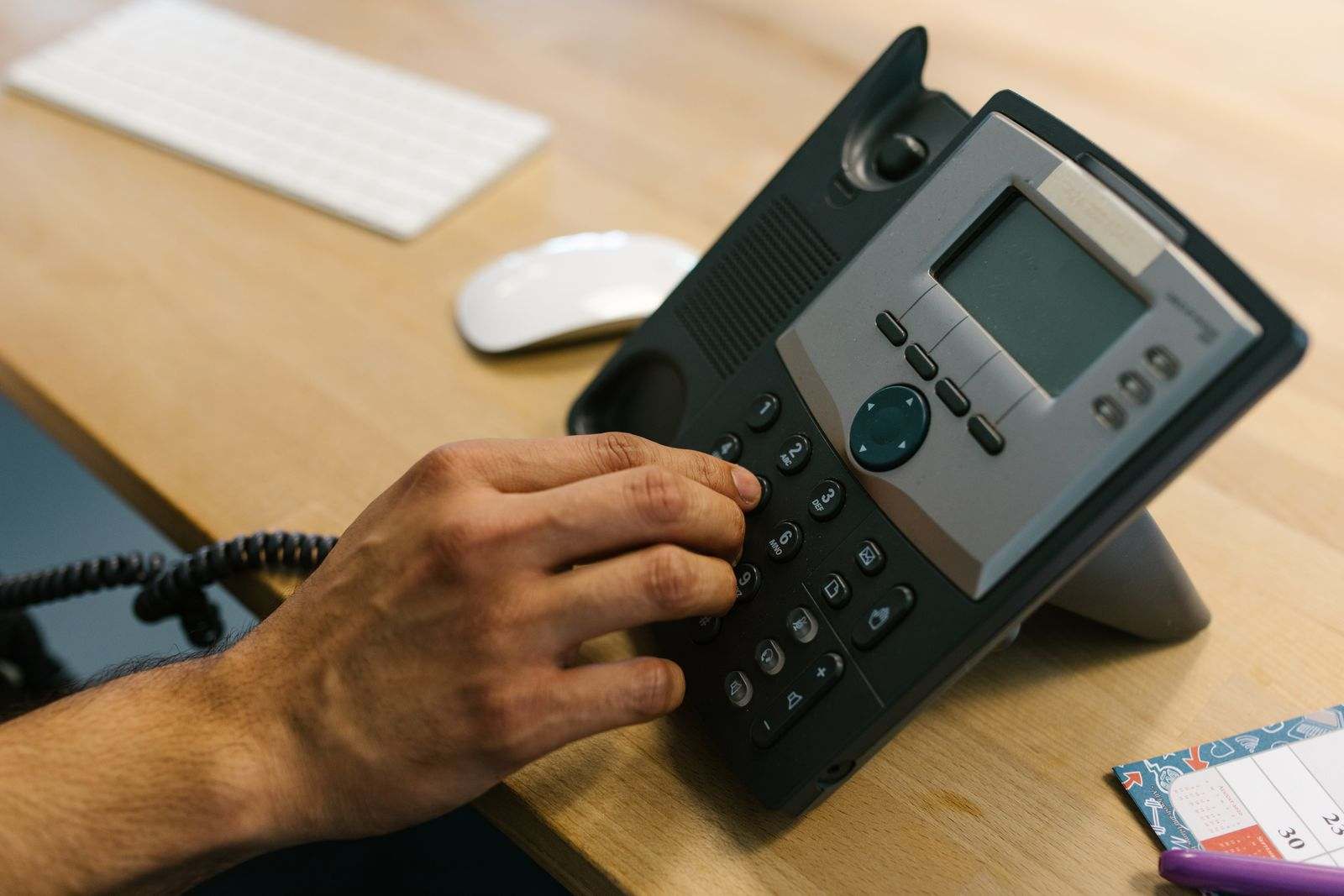
Spell it on the keypad
H→4E→3R→7P→7E→3S→7
That is the whole trick. There is no registry, no app feature, and no organization behind it. It works the way a pin badge works: only people who already know what it means will read it.
Where it comes from
Nobody owns the origin story, but the code is older than the apps it now lives on. The Wiktionary entry defines it as a shibboleth used by people with herpes to identify themselves on online dating services, and its citations page traces it to the AOL era: a October 4, 1997 post on the alt.support.herpes (Usenet) newsgroup reads, "Another thing we do on AOL to identify ourselves as having herpes is to put 437737 in our profiles." Later posts show it as a profile search term in 1999, a web ring in 2000, and a 2005 thread about putting it in a Match.com profile.
The mainstream press caught up in 2017. A Global News article by Arti Patel (June 24, 2017) quotes an advocate describing a string of numbers in a profile as "a low-key way to say I am STI-positive", with the example "herpes is 437737". An r/Tinder thread carried it to a mainstream-app audience, and PositiveSingles and its sister site MPWH both publish explainers about it. Anyone naming a founder or a first city is guessing; the earliest trace is a 1997 support group.
How people actually use it
Three ways, mostly. In a bio line, often tucked after something ordinary: "Dog person. 437737. Terrible at mini golf." In a username, with the digits on the end, which is why the number shows up in profile searches. And as a quiet filter on Bumble or Hinge, where two profiles carrying the code already know that herpes is not the deal-breaker, even though the conversation about type, site, and precautions is still ahead of them. On an HSV-specific site the code is close to pointless, because status is a field and a filter; it earns its keep on mainstream apps, where it says something to the people who recognize it without announcing it to everyone else.
What the code cannot do
It is a signal, not a disclosure. Most matches will not recognize it, and a person who does not know the code cannot consent to a risk they were never told about; the disclosure guide covers timing and wording. Screenshots travel, so once the code is on a public profile a friend or colleague who happens to know it can read it too. The law does not care about codes: where disclosure duties exist they turn on what a partner actually knew, which whether you have to tell someone covers. And it says nothing about type, site, or precautions, since "437737" could mean cold sores since childhood or a genital HSV-2 diagnosis last month.
Reading the labels on an HSV dating site
Once you sign up somewhere that asks for status, the labels take over from the code. PositiveSingles' help-center FAQ (updated March 3, 2026) lists oral and genital HSV-1 and HSV-2, herpes of unknown type, HPV, HIV, hepatitis, and "Other STD(s)", and says the list is not exhaustive. On September 15, 2026 the first 20 profiles in one U.S. state's default feed carried HSV-1 (G), HSV-2 (G), HERPES, HPV, and HIV. The decoder below is written the way the labels appear on profile cards.
| Label | What it means | Worth asking |
|---|---|---|
| HSV-1 (O) | Herpes simplex type 1, oral | Cold sores, how often, and whether they avoid kissing during one. |
| HSV-1 (G) | Herpes simplex type 1, genital | How it was confirmed (swab or blood test) and how long ago. |
| HSV-2 (G) | Herpes simplex type 2, genital | Whether they take daily medication and what they use for protection. |
| HSV-2 (O) | Herpes simplex type 2, oral | How it was typed, and where. |
| HERPES | Herpes, type not stated | Which type and where. Many people were never told. |
| HPV | Human papillomavirus | Whether it was a wart strain or a high-risk strain found on a Pap test. |
| HIV | Human immunodeficiency virus | Whether they are on treatment and undetectable. |
| Hepatitis B / C | Hepatitis B or hepatitis C | Which one, and treatment status. |
| Other STD(s) | A condition not on the list | The FAQ names trichomoniasis, molluscum, crabs, and bacterial infections as examples. Ask which. |
Two things the table cannot tell you. The labels are self-reported: The FAQ states membership does not require or verify medical records. And "(O)" and "(G)" describe where a person was diagnosed, not where the virus could appear, since someone with HSV-1 (O) can pass HSV-1 to a partner's genitals through oral sex, which the kissing guide explains. The label that trips people up most is plain "HERPES" with no type; it is easy to leave a clinic without one, so if you match with someone whose profile just says HERPES, "do you know which type?" is a fair second question.
Should you put a code on a mainstream profile?
Three trade-offs. It saves you dates that were going nowhere, because matches who recognize the code and stay already accept your status. It does not save you the conversation, because everyone else still needs a plain sentence before intimacy, so the code cuts down how many of those you have, not whether you have them. And it is public: the people most likely to know the code are other people with herpes, which is the point, but it also includes anyone who has read a page like this one. If the last point bothers you, use a platform where status is a field so the code is unnecessary, or stay on mainstream apps, skip the code, and go in with a disclosure you have already practiced. The script builder writes one for your type, site, and setting in about thirty seconds.
Sources
- Wiktionary: 437737. Keypad etymology and definition, plus a citations page tracing the code to Usenet posts from 1997 onward (last revised May 11, 2024).
- Global News. Arti Patel, June 24, 2017: an advocate gives "herpes is 437737" as an example of signalling STI status in a profile.
- PositiveSingles help-center FAQ. Status labels updated March 3, 2026, "Other STD(s)" updated January 22, 2026; discover feed read September 15, 2026.